


How Many Gate Arms Must We Sacrifice?
Reality
Another week, another preventable impact.
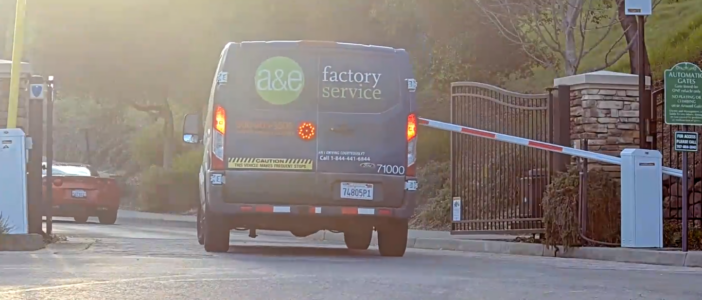
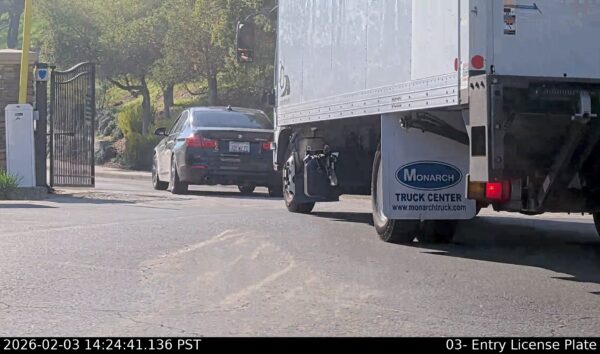
Our high-resolution cameras at the Bridle Ridge Drive gate captured a tailgater plowing through the security arm — yes, the one with the unmistakable red LED lights. That marks the second damaged gate in just two weeks. Not bad luck. Not coincidence. A pattern.
This delivery truck didn’t stumble into trouble. The footage shows repeated attempts to bypass the entry system before the driver finally forced the arm — our community’s first line of defense — out of the way.
Because the timing aligned perfectly, the incident was quickly traced. The vehicle and driver were located nearby, the standard explanations were offered, and insurance details were obtained. After extensive coordination with the repair vendor and insurance carrier, the claim was accepted and full reimbursement is expected.
This time.
These situations do not always end this way.
Consequences
While we wait for parts, repairs, and installation windows, the gate remains compromised. Every day without a fully functioning barrier increases exposure to additional tailgaters, liability risks, and repeated damage cycles.
We have seen this story before.
Prior incidents have cost the association tens of thousands of dollars — often between $60,000 and $70,000 in a single year . . . along with weeks of impaired gate security and countless volunteer hours chasing evidence, vendors, and insurers.
Let’s ask the uncomfortable but obvious question:
How many avoidable failures must occur before prevention becomes the priority?
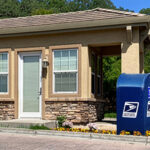
Live security presence works. The front gate experience has already demonstrated that staffed entry materially reduces gate strikes and unauthorized access events. Even repeat violators have been acknowledged – yet enforcement and corrective measures remain inconsistent.
Meanwhile, expecting board members to personally monitor surveillance footage, investigate incidents, manage vendors, and pursue claims is neither scalable nor reasonable. That is not governance. That is burnout disguised as duty.
Call to Action
The choices are becoming increasingly clear:
• Continue absorbing recurring damage cycles
• Accept diminished gate security
• Or implement deterrents that actually change behavior
A staffed gate is not a cosmetic upgrade. It is a risk-reduction mechanism.
Community safety, infrastructure protection, and financial stewardship all converge at the same conclusion: prevention costs less than repair.
If you believe stronger measures are warranted, make your position known. Share your perspective through the comments. Constructive homeowner feedback matters — and will be forwarded to the appropriate decision-makers.
Tailgating is predictable. Damage is predictable. The solution should be, too!